


Every week someone asks us the same question across the office desk in Thamel: should I trek to Everest Base Camp in autumn or spring? After twenty years of guiding both windows, here is the honest answer — it depends on what you are trekking for.

Autumn: the picture-postcard season
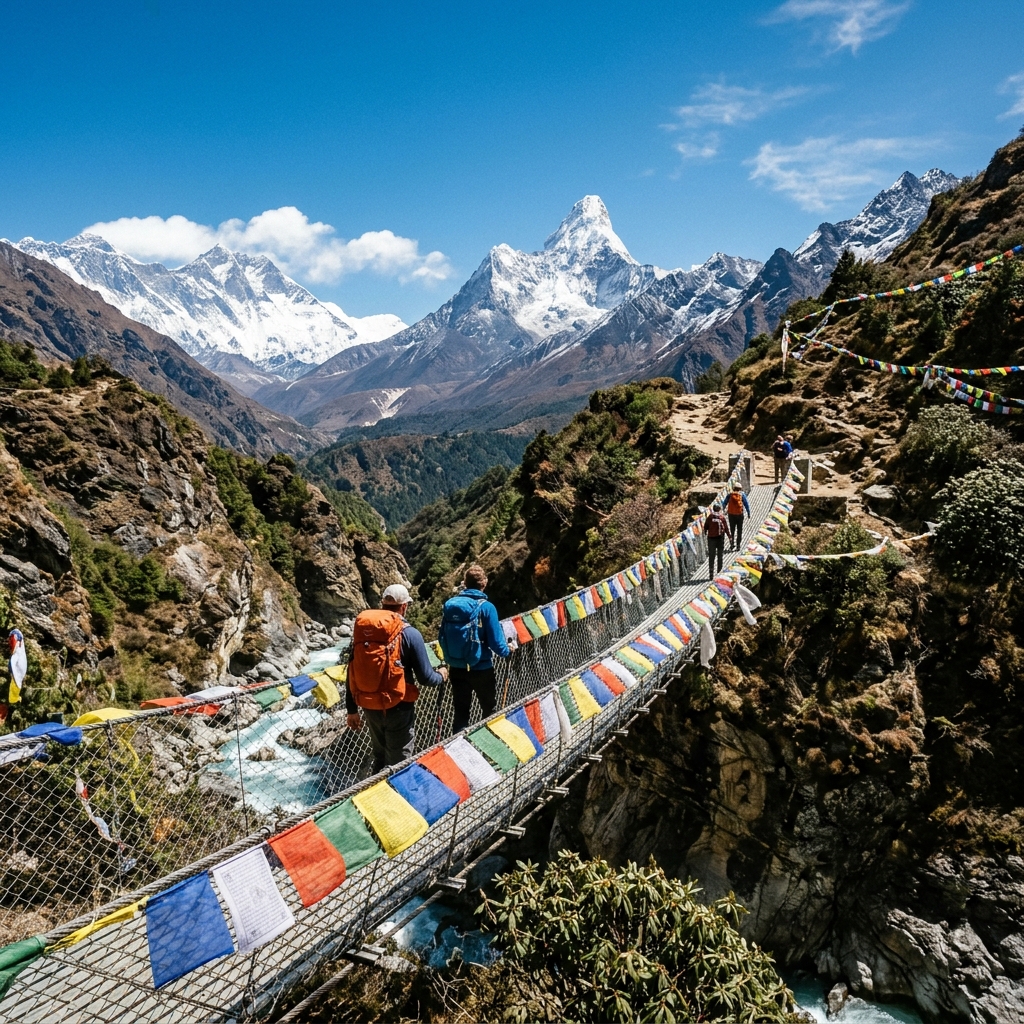
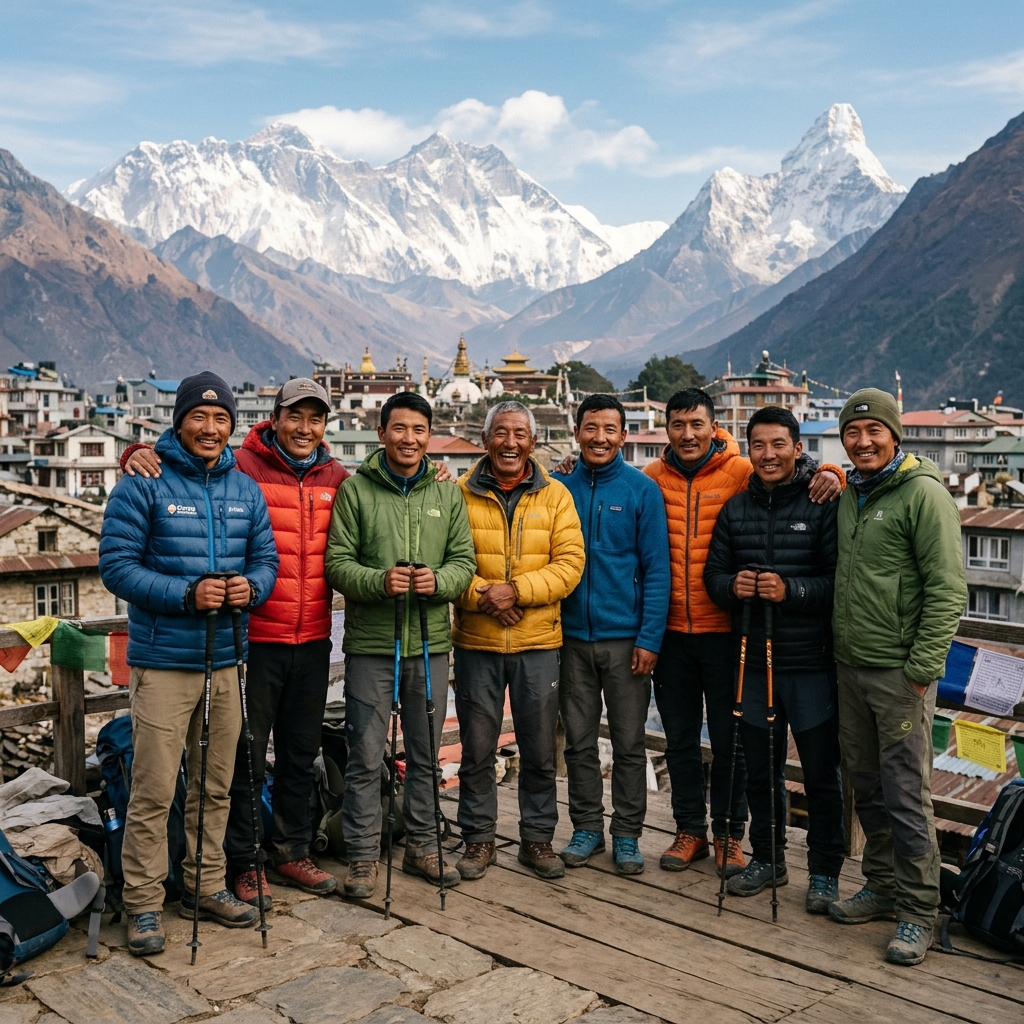
From late September to late November, the monsoon has scrubbed the sky clean. Visibility is the best of the year — the summit pyramid from Kala Patthar looks close enough to touch, and it stays that way for days at a time. Temperatures are cold but stable, and the Lukla flight schedule is at its most reliable.
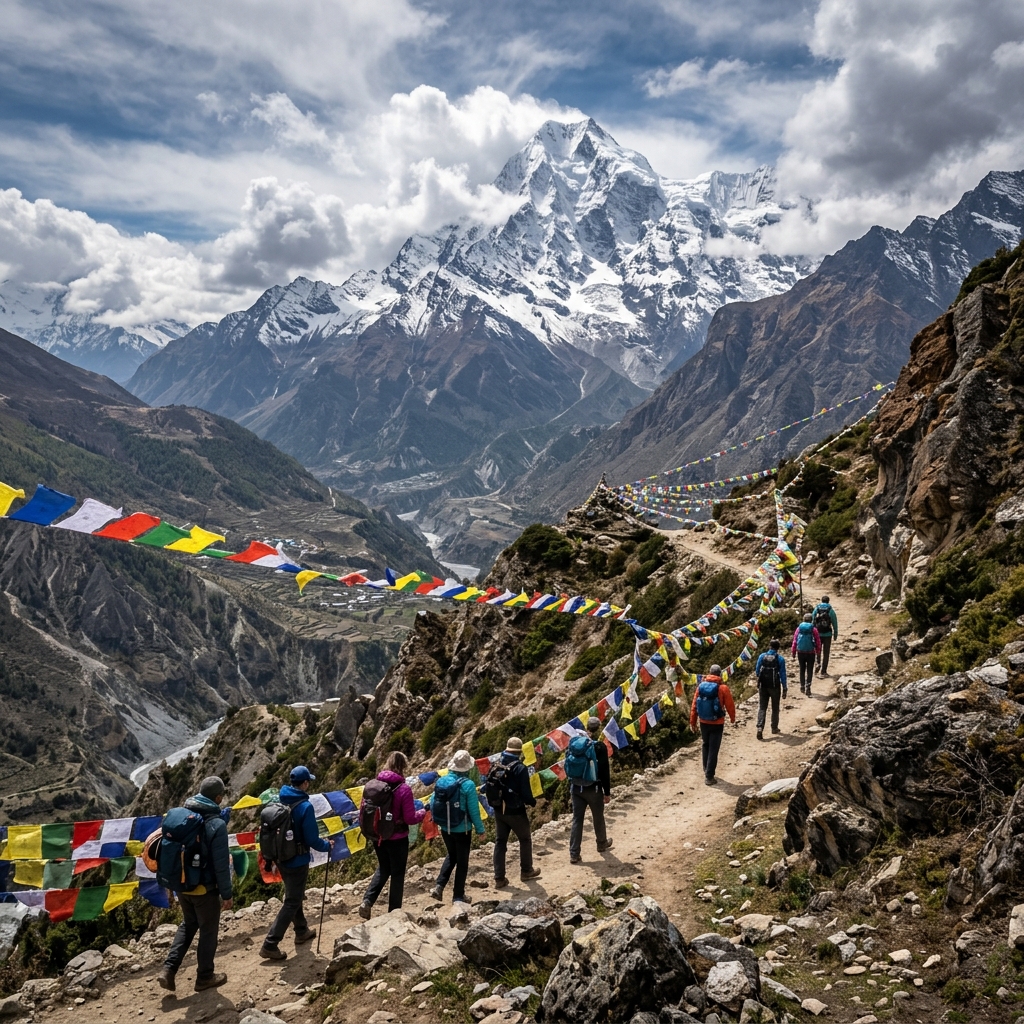
The trade-off is company. Autumn is peak season, and the trail between Namche and Tengboche can feel like a friendly procession. Book teahouses (or trek with an agency that pre-books them) and start walking early each day, and the crowds thin out fast.
“October gives you the mountain. April gives you the mountain in bloom. Neither ever gave anyone a bad trek.” — Mingma, guide since 2009
Spring: rhododendrons and climbers
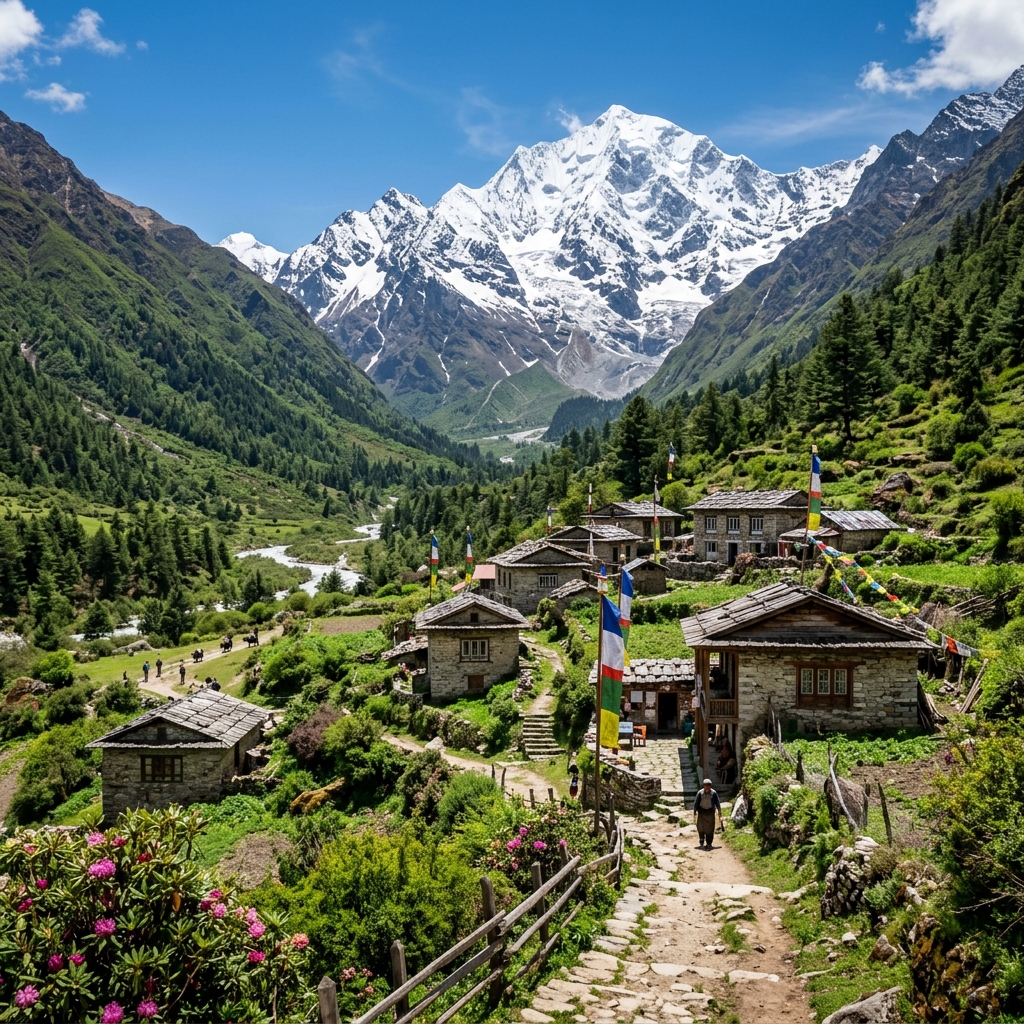
March to May is expedition season. Base Camp becomes a canvas city, the icefall doctors are fixing ladders, and the trail hums with summit ambition. Below Namche, whole hillsides turn red and pink with rhododendron. It is warmer, greener, and the light is softer — photographers often prefer it.
- Choose autumn for the sharpest views and most stable weather
- Choose spring for flowers, warmth, and Base Camp at full expedition buzz
- Avoid the edges: early September can still drip, late May hazes over
- Either way, build in a buffer day for the Lukla flight
Our verdict
If it is your once-in-a-lifetime trip and the view from Kala Patthar is the whole point: autumn, ideally mid-October to mid-November. If you love atmosphere, colour, and the mountaineering circus: spring. And if you can only come in another month entirely — talk to us. There is almost always a route in Nepal that fits the season you have.
Season FAQs
If we had to pick one: late October into early November. The post-monsoon air is at its clearest, daytime temperatures are still workable, and the Lukla flight schedule is at its most dependable. Mid-April is the spring equivalent — warmer, with rhododendron in full colour.
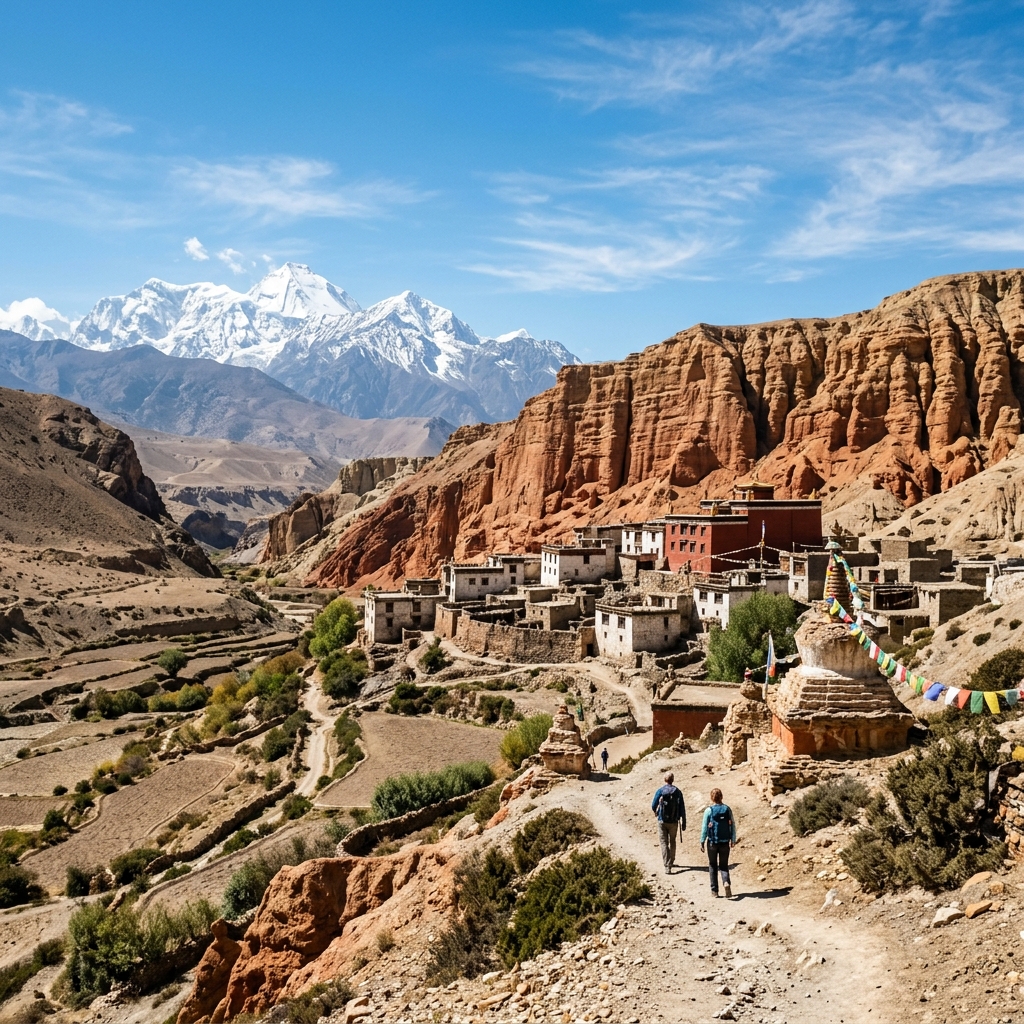
Winter (December–February) is possible for well-equipped trekkers — trails are quiet and skies often clear, but nights drop well below −15 °C and some teahouses above Dingboche close. Monsoon (June–August) is the one window we honestly steer people away from on this route; consider Upper Mustang instead, which sits behind the rain shadow.
For October and April departures we recommend booking 3–4 months out. Lukla flights and the better teahouses in Namche and Gorakshep fill first — we pre-book both for every fixed departure, which is exactly why booking early matters.
Our trek price is the same year-round — from US$ 1,300 per person with group rates. What changes seasonally is flight availability and hotel pricing in Kathmandu, so early booking in peak windows saves money on the edges of the package rather than the trek itself.
Autumn requires heavier thermal base layers and a -15°C down bag as night temperatures plummet after October. Spring requires flexible layering for warm afternoons (up to 15°C below 3,000m) and a solid windproof shell.
Spring mornings often see morning haze that clears by 10 AM, while late autumn brings stable clear skies. However, afternoon crosswinds can affect Lukla flights in both seasons, which is why we build in buffer days.