

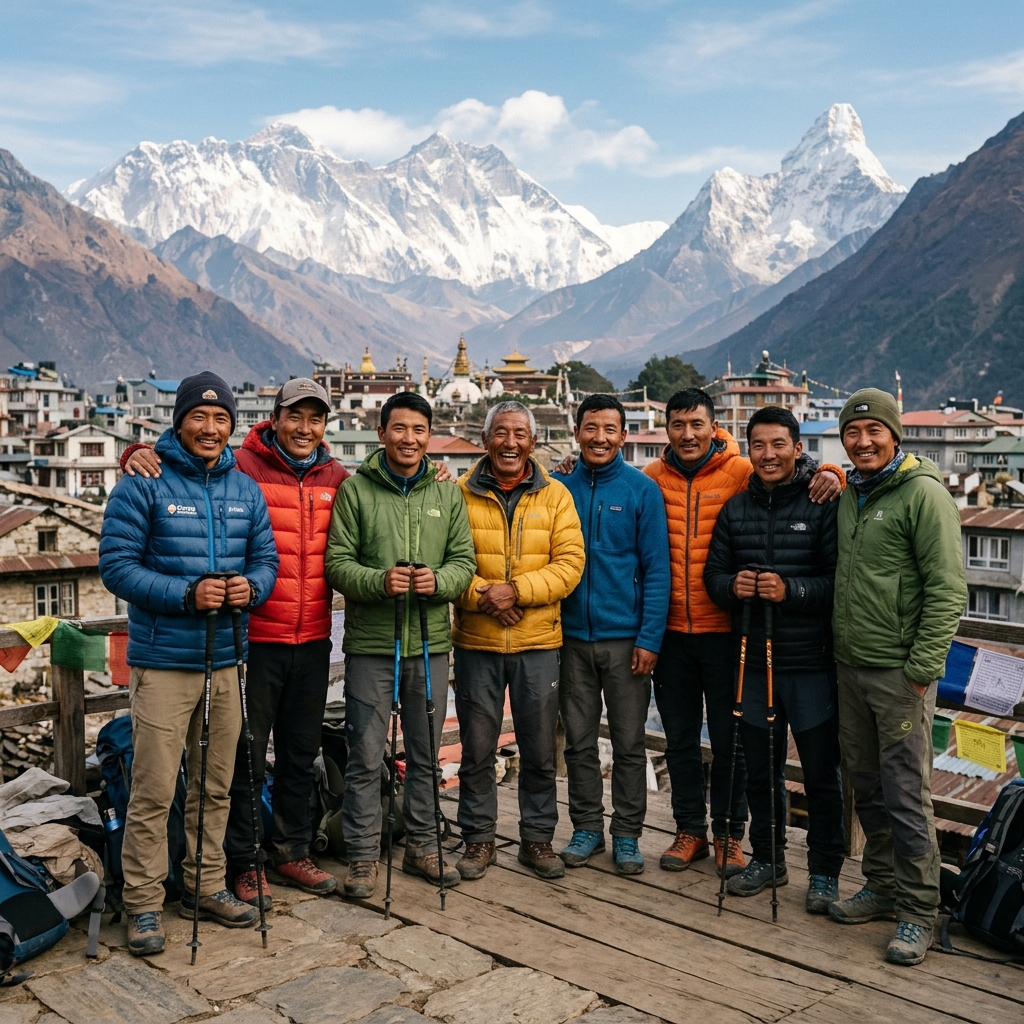

Altitude safety is not about fear; it is about education, steady pacing, and proactive health tracking.

Pulse Oximeters & Daily Health Checks
Every evening, our lead guides log your blood oxygen saturation (SpO2) and heart rate. Catching early signs of mild AMS ensures rest days are taken proactively before severe symptoms develop.
Season FAQs
Early symptoms include mild headache, fatigue, loss of appetite, dizziness, and mild insomnia. Immediate communication with your guide is vital.
Guides check your blood oxygen (SpO2) and pulse every evening after rest. Blood oxygen levels normally drop with altitude; consistent steady readings indicate safe acclimatization.
Diamox speeds natural acclimatization. Many trekkers start low dosages (125mg twice daily) after 3,000m upon consulting their physician.
Descend immediately. Lowering elevation by 300 to 500 metres rapidly relieves AMS symptoms and prevents progression to HAPE or HACE.
Aim for 3 to 4 litres of fluids daily. Dehydration mimics and exacerbates altitude sickness symptoms.